Edge computing in mobile devices is revolutionizing the way we interact with technology, bringing processing power closer to users. This innovative approach minimizes latency and enhances user experience, making applications faster and more efficient.
By leveraging edge computing, mobile devices can execute tasks directly on the device or nearby, reducing the need for constant cloud connectivity. This not only improves performance but also opens up new possibilities for data handling and security, positioning edge computing as a cornerstone in the future of mobile technology.
Edge Computing in Mobile Devices
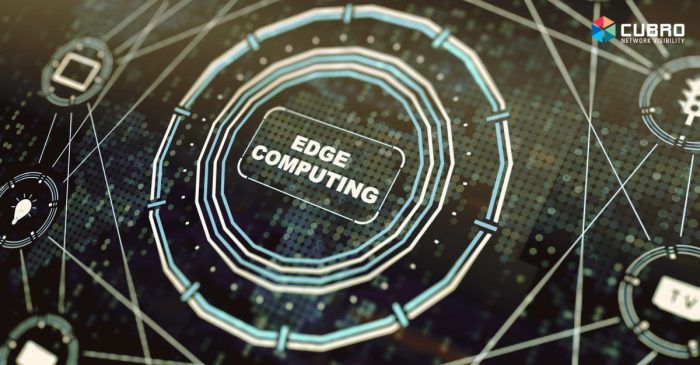
Edge computing refers to the practice of processing data closer to the source of generation rather than relying solely on the cloud. In the context of mobile devices, this approach significantly enhances performance and reduces latency by enabling quicker data processing and decision-making. With the proliferation of IoT devices and the growing demand for real-time applications, edge computing has emerged as a pivotal technology that empowers mobile devices to operate more efficiently and effectively.The advantages of edge computing in mobile devices are manifold.
By reducing the distance that data must travel, edge computing minimizes latency, which is crucial for applications requiring real-time responses, such as gaming, augmented reality (AR), and autonomous driving systems. Moreover, it alleviates the burden on network infrastructure by processing data locally and only sending necessary information to the cloud. This not only improves bandwidth utilization but also enhances privacy and security by limiting sensitive data transmission.
Enhancing Mobile Application Performance
The integration of edge computing into mobile applications results in significant performance enhancements. Applications that rely on heavy data processing can leverage local edge nodes to execute computational tasks, thus facilitating smoother user experiences. When applications can process data locally, the response times are drastically reduced, providing users with instant feedback.For instance, consider a mobile gaming application that utilizes edge computing.
By processing game data on nearby edge servers, players experience lower latency, resulting in a more fluid gaming experience. Similarly, AR applications can render graphics in real-time, enabling users to interact with virtual objects seamlessly in their physical environment. The impact of edge computing is not limited to gaming and AR; it extends to various sectors:
- Healthcare: Mobile health applications can analyze patient data on-device or at nearby edge locations, allowing for quicker diagnostics and real-time monitoring without overwhelming cloud services.
- Smart Cities: Traffic management systems utilize edge computing to analyze data from sensors placed around a city, optimizing traffic flow and reducing congestion based on real-time conditions.
- Retail: Mobile payment solutions and inventory management applications use edge computing to process transactions and stock levels locally, enhancing customer experience and operational efficiency.
“Edge computing transforms mobile applications by reducing latency and enhancing responsiveness, crucial for interactive and real-time experiences.”
Real-world applications of edge computing in mobile technology illustrate its effectiveness and transformative potential. Companies are starting to adopt edge solutions to improve customer engagement and operational efficiency. As mobile devices continue to evolve, the role of edge computing will become increasingly vital in shaping the future landscape of mobile applications and services.
Impact of Edge Computing on Security
Edge computing significantly enhances data security for mobile devices by processing data closer to the source, thereby reducing the risk of data breaches during transmission. As mobile devices often handle sensitive information, such as personal data and financial transactions, this localized approach allows for more stringent security measures and reduces the attack surface by limiting exposure to centralized cloud environments.One of the key advantages of edge computing in terms of security is its ability to enable real-time data processing and analysis.
This means potential threats can be detected and mitigated on-site before they escalate. Moreover, with data being processed locally, there is less need for extensive data transfers, which minimizes the opportunities for interception and unauthorized access during transmission.
Securing Data Transmission at the Edge Level
Implementing robust security measures is essential for safeguarding data transmitted at the edge. The following methods are pivotal in ensuring secure data transmission from mobile devices to edge nodes:
- Encryption: Utilizing end-to-end encryption ensures that data remains confidential during transmission. This technique encodes the data so that only authorized parties can access and decipher it. For instance, the use of TLS (Transport Layer Security) protocols helps secure data streams between mobile devices and edge servers.
- Authentication: Implementing strong authentication methods, such as multi-factor authentication (MFA), adds an additional layer of security. This ensures that only verified devices and users can access sensitive data at the edge.
- Network Segmentation: By segmenting networks into smaller, manageable parts, organizations can contain potential breaches and limit the spread of malware. This tactic ensures that even if one segment is compromised, the entire network remains secure.
- Intrusion Detection Systems (IDS): Deploying IDS at the edge can help identify and respond to suspicious activities in real-time, allowing organizations to act swiftly to protect sensitive information.
Comparison of Traditional Cloud Security Measures with Edge Computing Security Protocols
When comparing traditional cloud security and edge computing security protocols, several fundamental differences become clear. Traditional cloud environments rely heavily on centralized security measures that can create vulnerabilities due to the extensive data transfers required. In contrast, edge computing focuses on localized data processing, which inherently improves security by limiting the distance data travels and minimizing exposure to potential threats.Key distinctions include:
- Data Privacy: Traditional cloud services often require sensitive data to be transmitted over long distances, increasing the risk of interception. Edge computing mitigates this risk by allowing data to be processed and stored closer to where it is generated.
- Latency: Security measures in cloud environments may introduce latency as data is sent to centralized servers for processing. Edge computing can reduce latency significantly, enabling quicker responses to security threats.
- Scalability: In cloud environments, scaling security measures can be challenging, often requiring extensive infrastructure changes. Edge computing provides a more flexible framework that can adapt security measures in real-time as the number of devices increases.
- Real-Time Security Responses: Edge computing facilitates immediate responses to security incidents, allowing for quicker detection and neutralization of threats directly at the device or node level, while cloud solutions may involve delays.
Future Trends in Mobile Computing with Edge Technology
The future of mobile computing is increasingly intertwined with edge technology, which is set to revolutionize how we interact with devices and access data. As mobile devices become more capable, the need for processing power and data management shifts from centralized cloud systems to localized edge computing solutions. This transformation promises enhanced performance, reduced latency, and improved user experiences across various applications.Emerging trends in mobile computing are significantly influenced by advancements in edge technology.
The integration of edge computing into mobile devices allows for real-time data processing, analysis, and decision-making at or near the source of data generation. This trend is especially crucial for applications that require immediate feedback, such as augmented reality (AR), virtual reality (VR), and IoT devices. The following sections delve into potential future applications of edge computing in mobile devices, along with the associated challenges and opportunities.
Potential Future Applications of Edge Computing in Mobile Devices
The landscape of mobile applications is evolving, with edge computing enabling a host of innovative use cases. The table below Artikels several potential applications that highlight the capabilities and advantages of integrating edge technology into mobile devices.
| Application | Description |
|---|---|
| Augmented and Virtual Reality | Real-time rendering and interaction, reducing latency for immersive experiences. |
| Smart Assistants | Enhanced responsiveness and personalized experiences through on-device processing. |
| Autonomous Vehicles | Immediate decision-making capabilities for navigation and safety features through edge processing. |
| Healthcare Monitoring | Real-time patient data analysis for timely interventions and remote health monitoring. |
| Smart Cities | Optimizing traffic flow and energy management through localized data insights. |
The challenges and opportunities presented by the integration of edge computing into mobile technology are multifaceted. While the potential for innovation is vast, several hurdles must be addressed to fully realize the benefits.
Challenges and Opportunities of Integrating Edge Computing
The integration of edge computing in mobile technology presents both challenges and opportunities. The following points Artikel critical aspects that need to be considered for successful implementation.
Data Security and Privacy
With data processing occurring closer to the user, ensuring robust security measures is essential to protect sensitive information.
Bandwidth Limitations
Edge devices may encounter bandwidth constraints, impacting their performance, especially in densely populated areas.
Device Compatibility
Ensuring that various mobile devices can seamlessly integrate with edge computing technology is crucial for widespread adoption.
Scalability
As the number of edge devices increases, the infrastructure must be scalable to handle additional processing and storage needs.Despite these challenges, opportunities abound:
Enhanced User Experience
By minimizing latency and enabling real-time processing, edge computing can significantly improve user experiences in mobile applications.
Cost Efficiency
Offloading processing tasks from centralized cloud servers can lead to reduced operational costs and resource utilization.
Innovative Applications
The combination of edge computing with emerging technologies like 5G opens avenues for novel applications and services that were previously infeasible.In summary, as mobile computing continues to evolve with edge technology, the potential applications, challenges, and opportunities will shape the future landscape of mobile experiences.
Ultimate Conclusion

In summary, edge computing in mobile devices represents a significant leap in technology, offering enhanced performance, improved security, and numerous real-world applications. As we look to the future, the integration of edge computing will continue to shape the mobile landscape, presenting both challenges and exciting opportunities for developers and users alike.
Questions Often Asked
What is edge computing?
Edge computing refers to processing data closer to the source of data generation rather than relying on a centralized data center, improving speed and efficiency.
How does edge computing enhance mobile application performance?
By processing data at the edge, applications can respond more quickly to user inputs, reduce latency, and operate seamlessly even with limited connectivity.
What are some examples of edge computing in mobile devices?
Examples include real-time data processing in mobile gaming, augmented reality applications, and smart health monitoring systems.
Can edge computing improve data security in mobile devices?
Yes, edge computing can enhance security by keeping sensitive data closer to the device, minimizing exposure during transmission to the cloud.
What challenges does edge computing face in mobile technology?
Challenges include managing device heterogeneity, ensuring consistent security measures, and maintaining effective data synchronization across networks.