
eCommerce hosting solutions are essential for anyone looking to launch a successful online store. With the rapid growth of online shopping, having a reliable and efficient hosting solution can make all the difference in providing a seamless shopping experience for customers.
This overview will delve into various types of eCommerce hosting options, the key features that set them apart from standard web hosting services, and the scalability benefits offered by different providers. Understanding these elements is crucial for businesses aiming to thrive in the competitive eCommerce landscape.
eCommerce Hosting Solutions Overview
To thrive in the competitive online marketplace, selecting the right eCommerce hosting solution is crucial. These specialized hosting services are designed to meet the unique needs of online retailers, ensuring their websites run smoothly, securely, and efficiently. Understanding the different types of eCommerce hosting options available and their distinguishing features can help businesses make informed decisions.eCommerce hosting solutions come in various forms, each tailored to meet specific business requirements.
The primary types include shared hosting, VPS (Virtual Private Server) hosting, dedicated hosting, and cloud hosting. Each of these options offers different levels of performance, security, and scalability.
Types of eCommerce Hosting Solutions
The choice of hosting can significantly impact the overall performance of an eCommerce site. Here’s a brief overview of the types of eCommerce hosting solutions:
- Shared Hosting: This budget-friendly option allows multiple websites to share the same server resources. Ideal for startups or small businesses with limited traffic.
- VPS Hosting: A step up from shared hosting where a single server is divided into virtual servers, providing more resources and better performance for mid-sized businesses.
- Dedicated Hosting: Offers an entire server dedicated to a single website. This option provides maximum control, superior performance, and enhanced security, suitable for large eCommerce sites.
- Cloud Hosting: Utilizes a network of servers to host websites, ensuring high availability and scalability. Perfect for businesses expecting variable traffic levels.
Key Features of eCommerce Hosting
eCommerce hosting differs from standard web hosting by offering features specifically designed for online retailers. These features enhance the shopping experience and ensure secure transactions. Here are the primary features that set eCommerce hosting apart:
- SSL Certificates: Essential for securing data transmitted between customers and the website, SSL certificates instill trust and are crucial for online transactions.
- PCI Compliance: eCommerce hosting ensures that payment processes adhere to PCI standards, protecting sensitive customer information.
- Scalability: The ability to handle increased traffic during peak shopping seasons without compromising performance is vital for successful eCommerce operations.
- 24/7 Customer Support: Reliable hosting providers offer round-the-clock support to address any technical issues that may arise, ensuring minimal downtime.
Scalability Options in eCommerce Hosting
Scalability is a critical aspect of eCommerce hosting that allows businesses to grow without interruption. Various providers offer different scalability options to accommodate fluctuating demands.
- Vertical Scaling: Involves adding more resources (CPU, RAM) to a single server to boost performance.
- Horizontal Scaling: Involves adding more servers to distribute traffic and workload, which is particularly effective for cloud hosting.
- Load Balancing: Distributes incoming traffic across multiple servers, ensuring no single server becomes a bottleneck, enhancing reliability during high traffic.
Evaluating Web Hosting and Domain Names for eCommerce
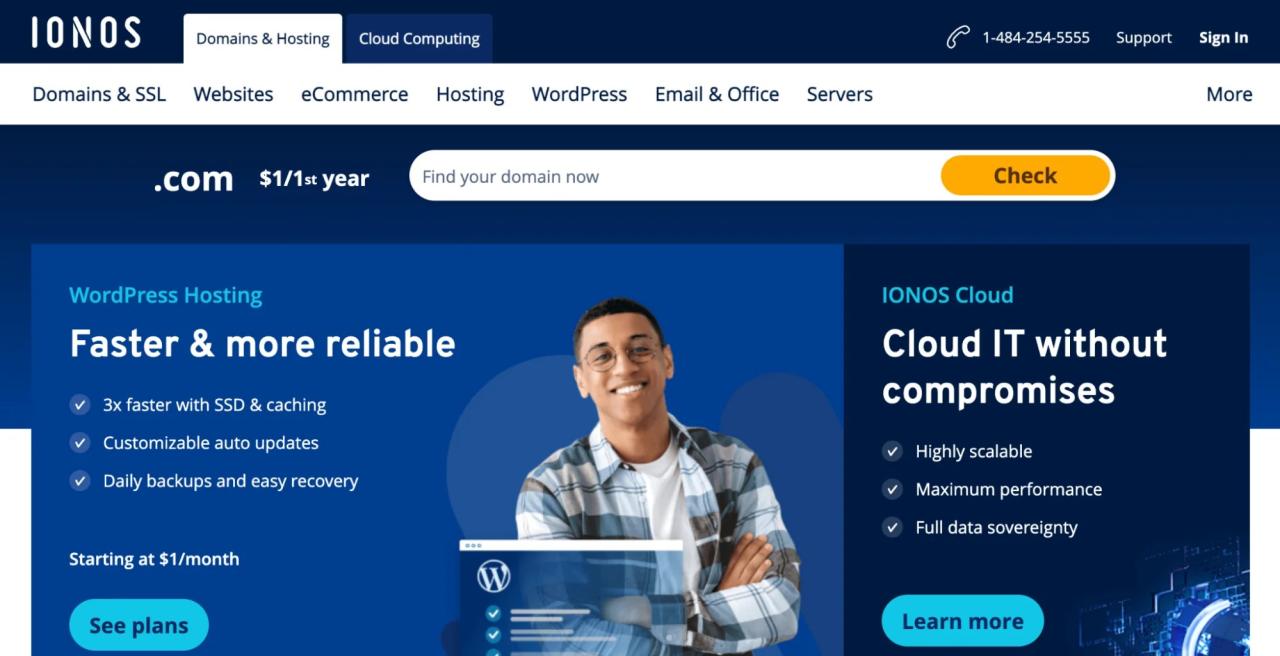
Selecting the right web hosting service and domain name is crucial for the success of any online store. With numerous hosting providers and domain name options available, it can be challenging to make a decision that best fits your eCommerce needs. In this section, we will explore the importance of choosing the right web hosting service, criteria for selecting domain names, and the impact of web hosting speed on eCommerce performance.
Importance of Selecting the Right Web Hosting Service
The choice of web hosting service can significantly influence the functionality and success of your online store. A reliable hosting provider ensures your website is accessible, secure, and capable of handling traffic fluctuations. When selecting a web host, consider factors such as uptime guarantees, customer support, and scalability options. A good hosting service can minimize downtime, which is critical for maintaining sales and customer satisfaction.
| Criteria | Description |
|---|---|
| Uptime | Look for a host offering at least 99.9% uptime to ensure your store is always online. |
| Support | 24/7 customer support can help you resolve issues swiftly, minimizing potential sales losses. |
| Scalability | Choose a host that can grow with your business, helping you manage increased traffic during peak times. |
Criteria for Choosing Domain Names
A domain name is often the first impression a customer has of your brand, making it essential to choose one that resonates with your eCommerce platform. An effective domain name should be memorable, relevant, and easy to spell. It should also align with your business’s identity and be unique enough to stand out in the crowded online marketplace. Consider the following criteria when selecting a domain name:
- Brand Consistency: Ensure your domain reflects your brand name and is consistent with your other marketing materials.
- Usage: Incorporating relevant s can improve search engine optimization (), making it easier for customers to find you.
- Domain Extension: Choose a suitable domain extension (.com, .net, .store) that aligns with your business type.
- Length: Aim for a short and straightforward domain name that is easy to remember and type.
Impact of Web Hosting Speed on eCommerce Performance
Web hosting speed is a critical factor influencing both sales and customer retention for eCommerce businesses. Studies show that a delay of just a few seconds in page loading time can lead to higher bounce rates and lost sales opportunities. Customers expect fast websites, and a slow-loading store can frustrate users, leading them to abandon their shopping carts.The relationship between website speed and conversion rates is well-documented.
For instance, Amazon reported that every 100 milliseconds of latency cost them 1% in sales. Ensuring optimal hosting speed can enhance user experience, improve search engine rankings, and lead to higher customer satisfaction.
“Faster loading times can significantly boost conversion rates and customer loyalty in eCommerce.”
Investing in a quality web hosting service that prioritizes speed can pay dividends in the long run, resulting in increased sales and a loyal customer base.
Integrating Technology and Security in eCommerce Hosting
In the digital age, integrating robust technology and security measures is essential for successful eCommerce hosting. As online transactions increase, so do the risks associated with them. eCommerce platforms require a secure environment to safeguard sensitive customer data and ensure a seamless shopping experience. This section delves into the security protocols needed, the critical role of payment gateways, and effective methods for data backup solutions.
Security Protocols for eCommerce Hosting Solutions
A well-rounded eCommerce hosting solution must include stringent security protocols to protect against various cyber threats. These protocols help to secure customer transactions and maintain trust in the online store.
- SSL Certificates: Secure Sockets Layer (SSL) technology encrypts data transferred between the web server and the browser, ensuring that sensitive information such as credit card details is not intercepted during transmission.
- Firewalls: Firewalls act as a barrier between the internal network and potential threats from the outside. They monitor incoming and outgoing traffic and block harmful activities.
- Regular Security Audits: Conducting routine security assessments helps identify vulnerabilities within the hosting environment. This proactive approach addresses potential issues before they can be exploited.
- Intrusion Detection Systems (IDS): These systems monitor network traffic for suspicious activities and alert administrators to potential security breaches in real-time.
- Data Encryption: Encrypting stored data adds an extra layer of security by making it unreadable to unauthorized users, thus protecting sensitive customer information even if a breach occurs.
Role of Payment Gateways in Securing Online Transactions
Payment gateways are vital in the eCommerce ecosystem as they facilitate secure online transactions between buyers and sellers. They ensure that sensitive payment information is handled correctly and securely.Key features of payment gateways that enhance security include:
- Tokenization: This process replaces sensitive card information with a unique identifier or token, which can be used for transaction processing without exposing the actual card details.
- Fraud Detection Tools: Many payment gateways incorporate advanced fraud detection systems that analyze transaction patterns and flag suspicious activities, helping to reduce the risk of fraudulent transactions.
- PCI Compliance: Payment gateways must comply with the Payment Card Industry Data Security Standards (PCI DSS), which establish guidelines for secure handling of card information.
- 3D Secure Authentication: This additional layer of security requires customers to complete a verification step (like entering a password or a one-time code) during the checkout process, further protecting against unauthorized transactions.
Implementing Data Backup Solutions for eCommerce Sites
Data loss can have severe consequences for eCommerce businesses. Implementing reliable data backup solutions is crucial for safeguarding essential information and ensuring business continuity.The following methods can be employed for effective data backup:
- Automated Backups: Setting up automated backup processes ensures that data is regularly backed up without requiring manual intervention. This minimizes the risk of data loss due to forgetfulness or oversight.
- Offsite Backups: Storing backups in a separate location or cloud storage protects against data loss due to physical damage to the primary server or data center.
- Versioning: Keeping multiple versions of backups allows businesses to restore previous versions of data, which can be crucial in case of data corruption or accidental deletions.
- Regular Testing of Backups: Routine checks of backup data help confirm that backups are functioning correctly and can be restored when needed, ensuring that the business can recover quickly from any data loss incident.
Concluding Remarks
In summary, selecting the right eCommerce hosting solution is vital for ensuring your online store’s success. With a focus on security, technology integration, and optimal performance, businesses can enhance their customer experience and drive higher sales. Ultimately, the right hosting choice empowers entrepreneurs to build and grow their eCommerce ventures with confidence.
FAQ Corner
What is eCommerce hosting?
eCommerce hosting is a specialized web hosting service designed to support online stores, providing the necessary resources and features to handle eCommerce transactions securely.
How does eCommerce hosting differ from regular hosting?
eCommerce hosting includes features like enhanced security, payment gateway integration, and optimized server performance tailored for online shopping, which standard hosting may not provide.
What should I look for in an eCommerce hosting provider?
Look for features such as SSL certificates, uptime guarantees, scalability options, 24/7 customer support, and easy integration with eCommerce platforms.
Can I use shared hosting for my eCommerce site?
While it’s possible, shared hosting may not provide the necessary speed, security, and performance needed for a successful eCommerce site, especially as traffic grows.
What is the importance of site speed in eCommerce?
Site speed directly impacts user experience, conversion rates, and search engine rankings; a fast-loading site leads to higher customer satisfaction and increased sales.